
SCIENCE
Mechanism of Action
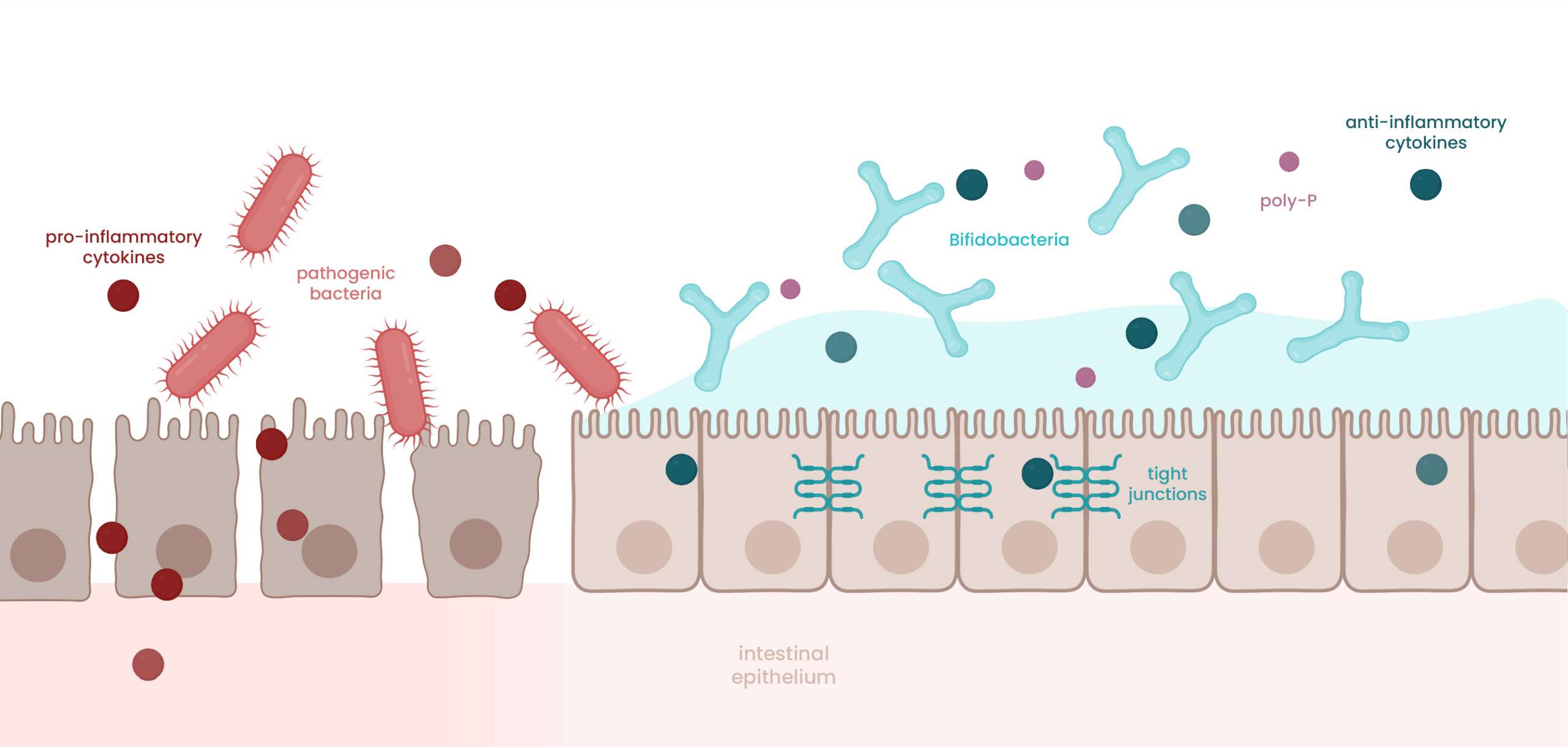
AB-KOLICARE acts through three main mechanisms to address the root causes of functional gastrointestinal disorders (FGIDs) in infants:
A
Inhibition of pathogenic bacteria
B
Growth of Bifidobacteria
C
Expression of tight junction proteins
D
Production of poly-P
E
Anti-inflammatory activity
Click on spots A to E to discover how AB-KOLICARE interacts with the intestinal wall.
Gut Microbiota Balance
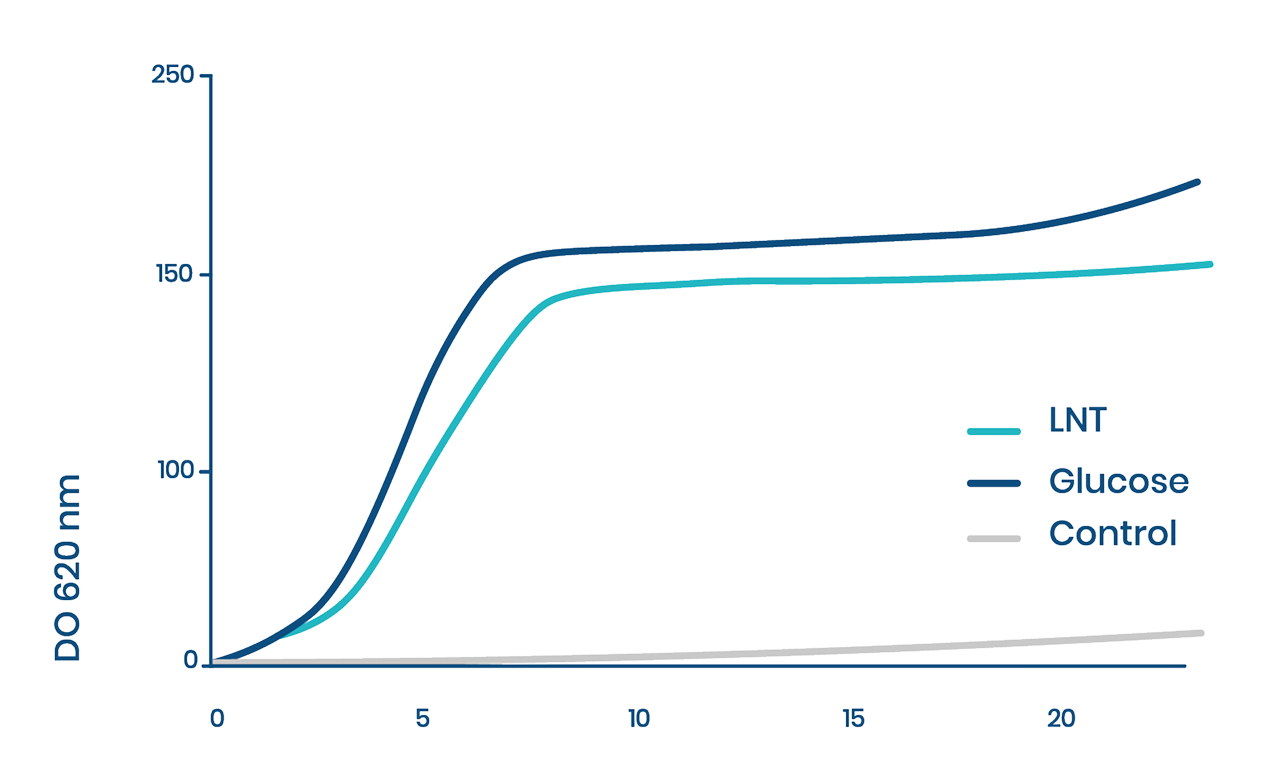
- Supports the growth of beneficial bifidobacteria, including HRB (Human-Residential Bifidobacteria) like B. longum KABP™ 042, which efficiently digests HMOs to promote a balanced gut microbiota1.
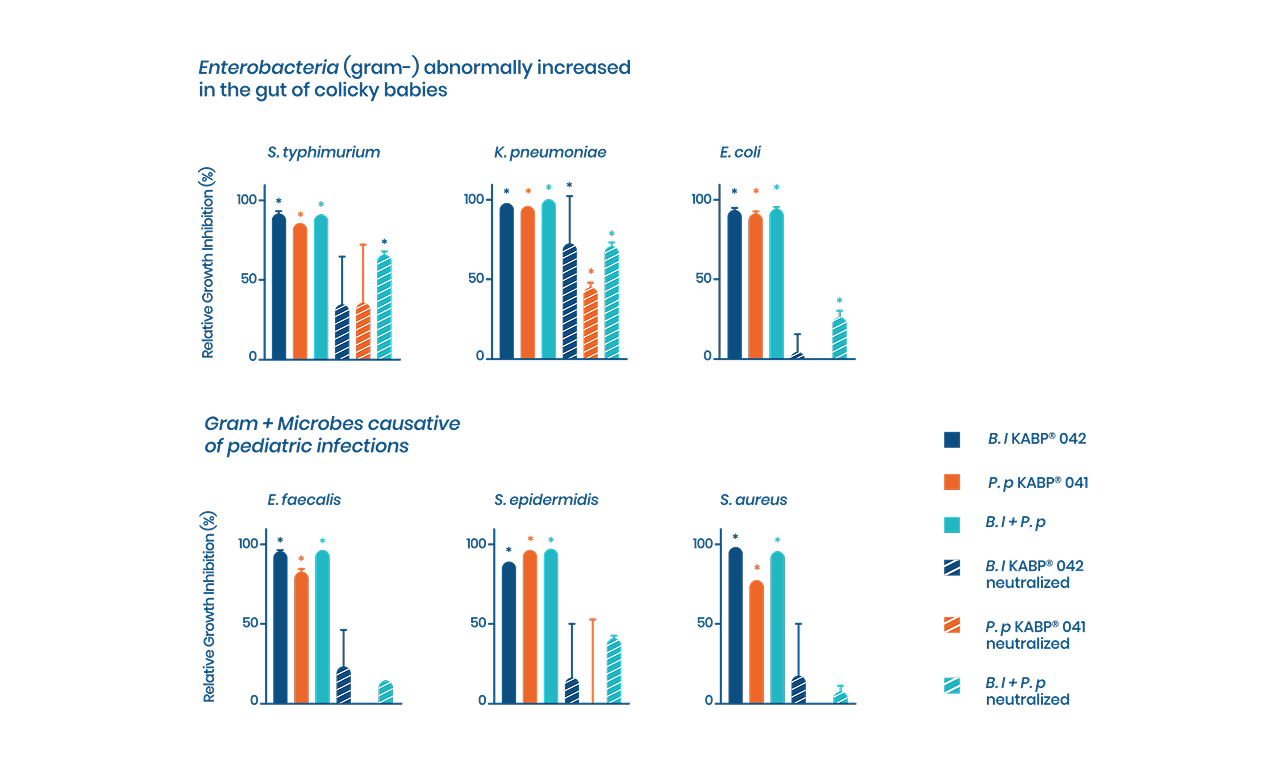
- Inhibits pathogenic bacteria through the production of organic acids (lactate, acetate) and bacteriocins, reducing harmful groups like Escherichia coli, Klebsiella, and Enterobacter that are often elevated in colicky infants2.
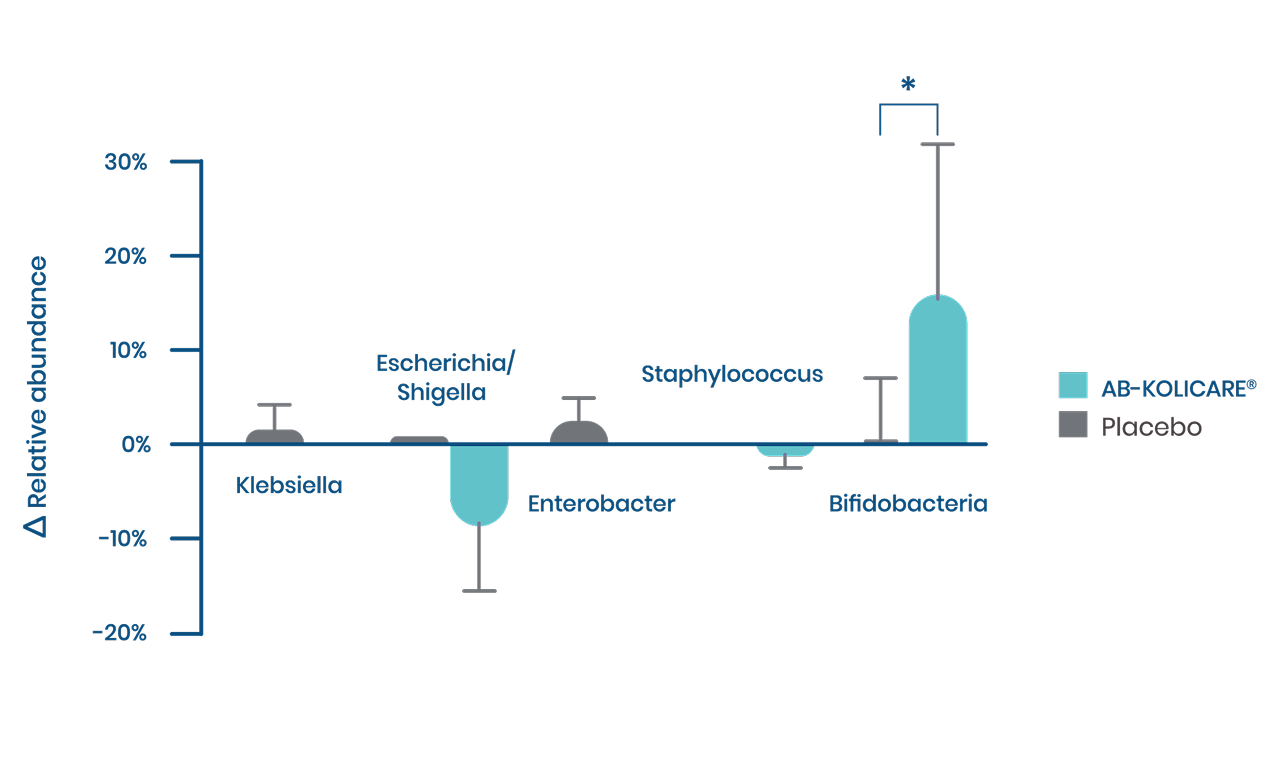
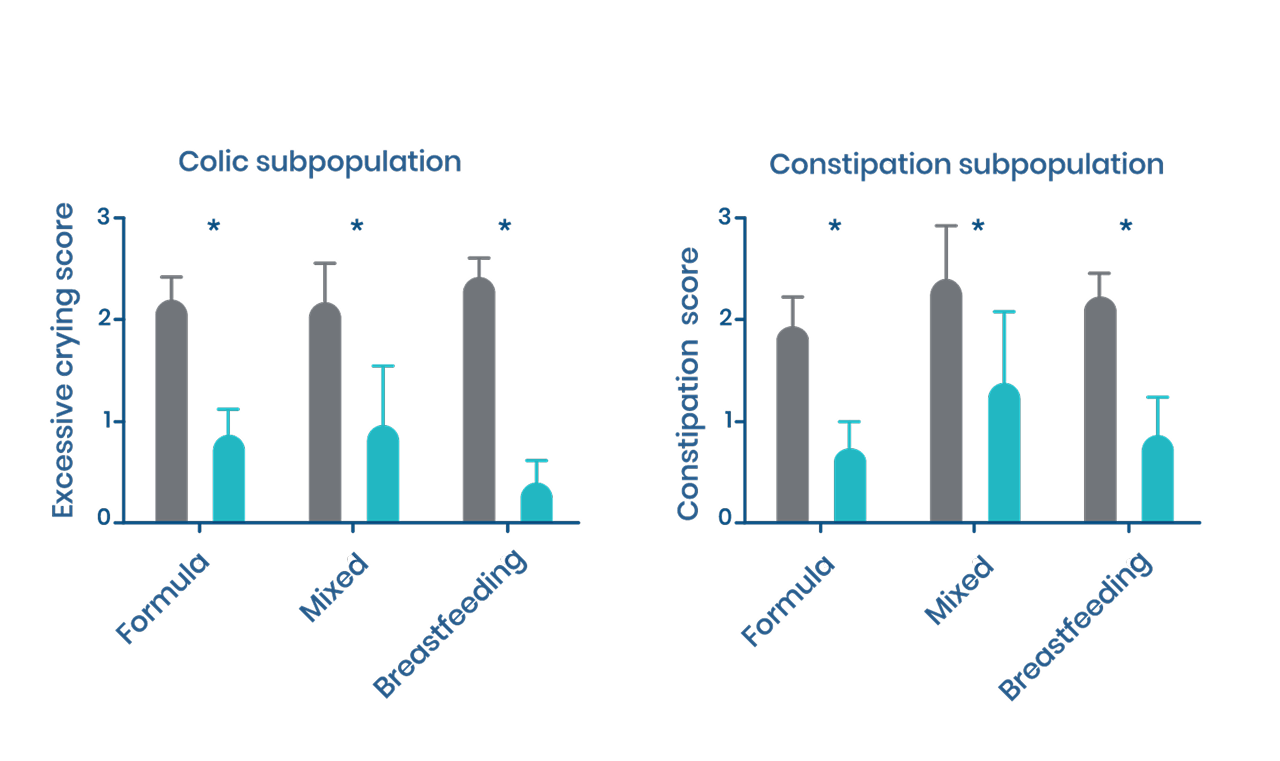
- Demonstrated significant increases in bifidobacteria populations within 21 days of use, supporting long-term gut health3.
Growth of B. longum KABP®042 with the HMO LNT as unique carbon source
AB-KOLICARE® growth inhibition against pathogens
Changes in gut bacteria abundance by AB-KOLICARE®
Modulation of serum cytokine levels by P. pentosaceus KABP®041
Anti-Inflammatory Activity
- P. pentosaceus KABP™ 041 modulates the immune system, increasing levels of the anti-inflammatory cytokine IL-10 and reducing pro-inflammatory markers like TNF-α, IL-1β, and IL-64.
- B. longum KABP™ 042 also contributes by producing acetate, a short-chain fatty acid (SCFA) known for its anti-inflammatory properties1.
Synergistic Protection of the Intestinal Barrier
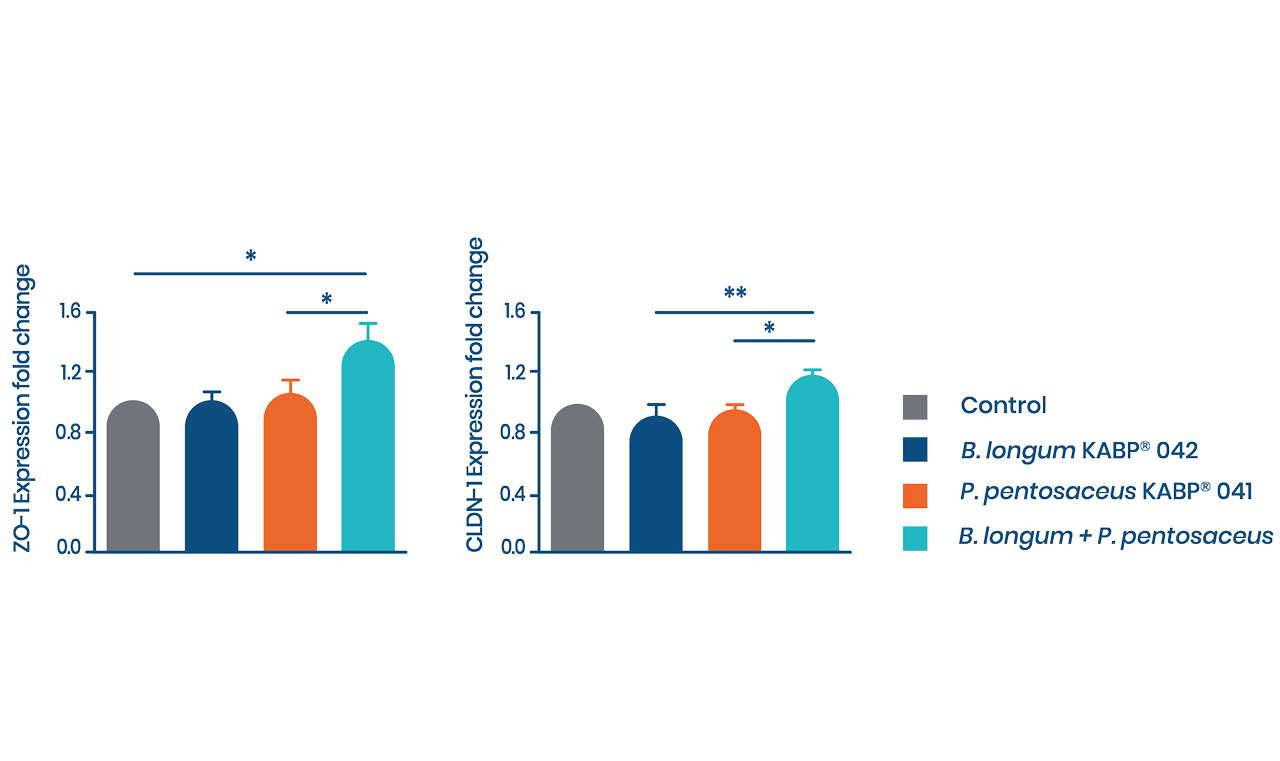
- Both strains work together to strengthen the intestinal barrier by promoting the expression of tight junction proteins like ZO-1 and CLDN-1, which are critical for maintaining gut integrity2.
- B. longum KABP™ 042 produces high levels of polyphosphate (poly-P), which further enhances the intestinal barrier by activating protective pathways, including HSP27, reducing permeability and increasing gut resilience1.
Gene expression of tight junction genes after co-culturing with AB-KOLICARE®
Growth of B. longum KABP®042 with the HMO LNT as unique carbon source
References
- Alcántara, C. et al. Study of the biosynthesis and functionality of polyphosphate in Bifidobacterium longum KABP042. Scientific Reports 2023 13:1 13, 1–13 (2023).
- Astó, E. et al. Probiotic Properties of Bifidobacterium longum KABP042 and Pediococcus pentosaceus KABP041 Show Potential to Counteract Functional Gastrointestinal Disorders in an Observational Pilot Trial in Infants. Front Microbiol 12, (2022).
- Santas J, Fuentes MC, Tormo R, Guayta-Escolies R, Lazaro E, C. J. Pediococcus pentosaceus CECT 8330 and bifidobacterium longum CECT 7894 show a trend towards lowering infantile excessive crying syndrome in a pilot clinical trial. Int J Pharma Bio Sci 6, 458–466 (2015).
- Dong, F. et al. Pediococcus pentosaceus CECT 8330 protects DSS-induced colitis and regulates the intestinal microbiota and immune responses in mice. J Transl Med 20, 1–16 (2022).