
SCIENCE
Clinical Evidence
AB-KOLICARE has been extensively tested in clinical and preclinical studies, demonstrating its efficacy and safety in reducing FGID symptoms, enhancing gut health, and supporting overall infant well-being.
Moreno-Villares et al (2024)1
Design
Multicentric, randomized, single-blind, interventional trial (3 weeks).
Population
112 colicky babies (Rome IV criteria) 2-12 weeks old, 30% breastfed, 70% formula fed.
Key Takeaways
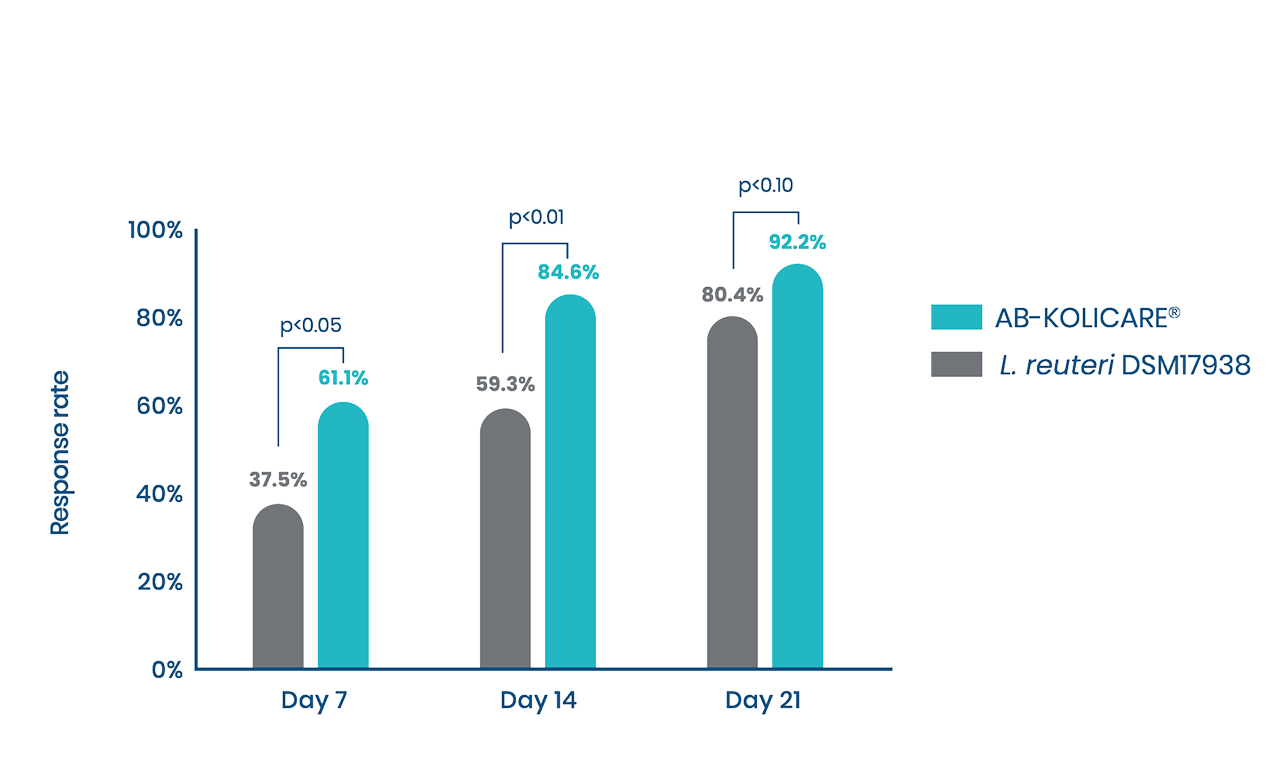
- Faster relief of colic symptoms than L. reuteri with the most significant differences after 7 days.
- Relief from symptoms in both formula fed and breastfed babies.
Response rates for AB-KOLICARE® and L. reuteri DSM 17938
Chen et al (2021)2
Design
Multicentric, randomized, double-blind, placebo-controlled trial (3 weeks).
Population
107 colicky babies (Rome IV criteria) 1-3 months old, mainly breastfed.
Key Takeaways
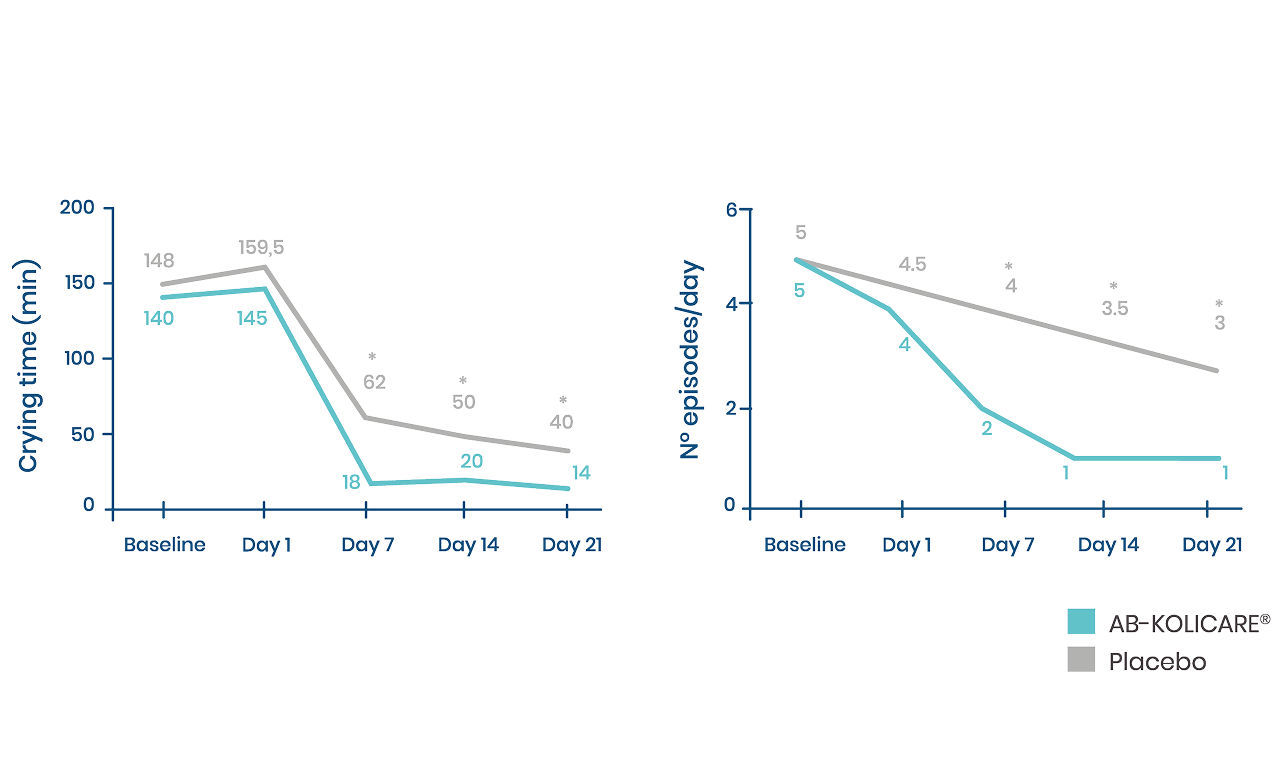
- Significant reduction of daily crying time and number of crying episodes from day 7 onwards.
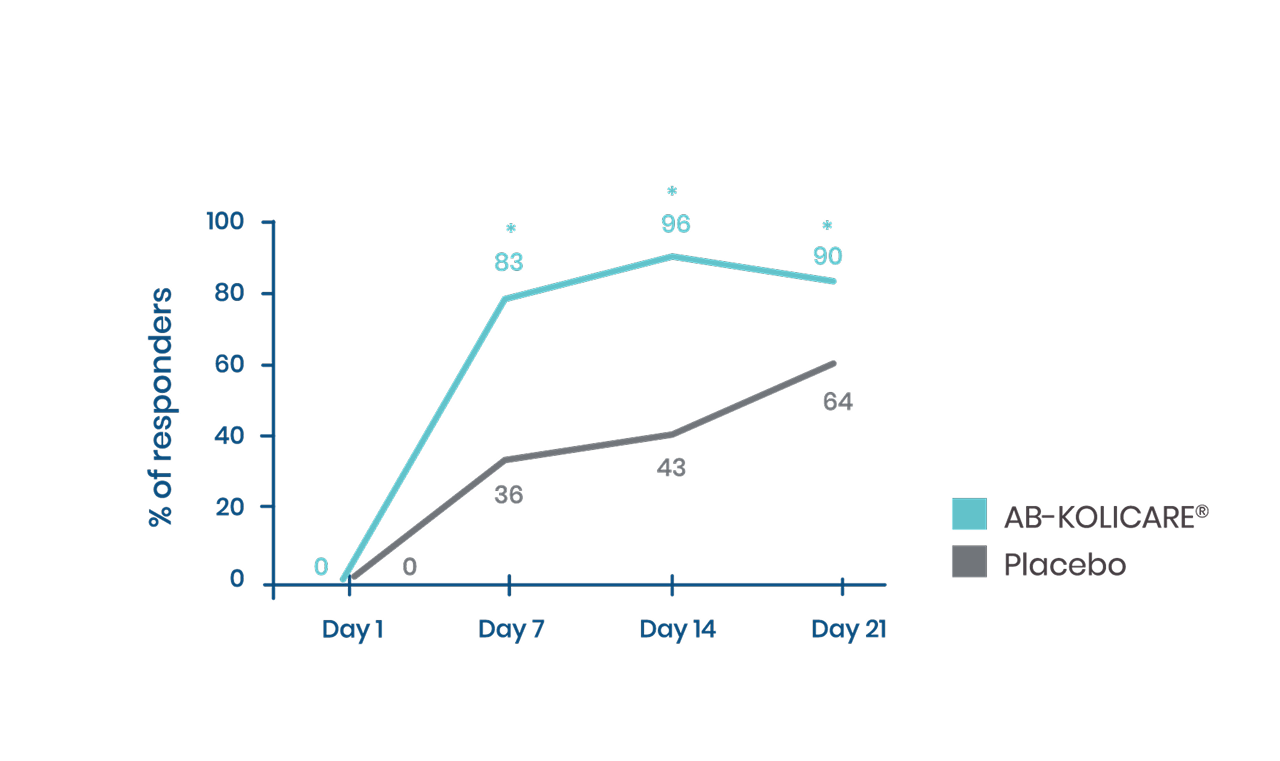
- 96% of responders after two weeks of treatment.
Crying time and frequency in AB-KOLICARE® vs placebo
Percentage of treatment responders in AB-KOLICARE® vs placebo
Astó et al (2023)3
Design
Multicentric, epidemiologic, observational, prospective study (2 weeks).
Population
36 babies with FGIDs (colic and/or constipation, Rome IV criteria) 1 week to 10-month-old, breastfed, formula fed and mixed fed.
Key Takeaways
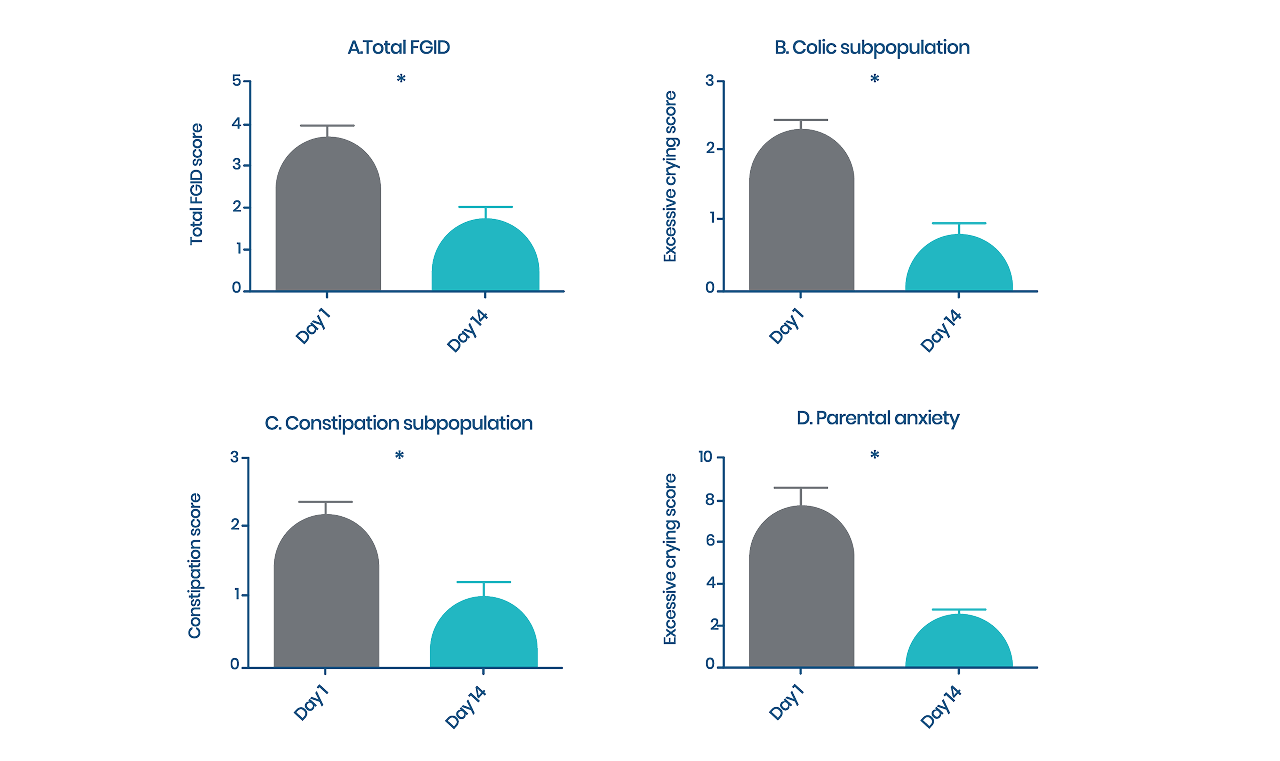
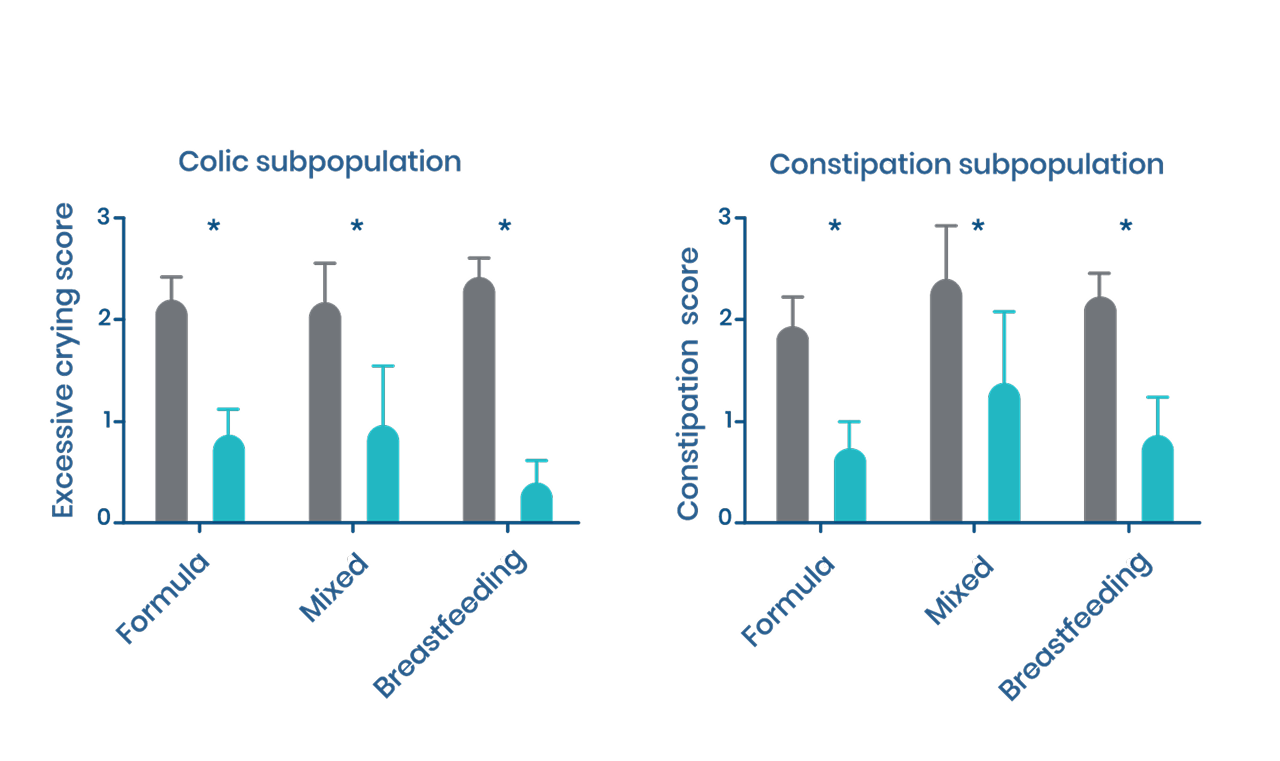
- Reduction of FGIDs severity compared to placebo.
- Reduction of parental anxiety after two weeks.
- Efficacy of the probiotic not affected by feeding mode and delivery mode.
FGID, colic, constipation and parental anxiety improvement scores
Colic and constipation improvement in formula, mixed and breastfed subgroups
Santas et al (2015), Tintore et al (2017)4, 5
Design
Multicentric, randomized, double-blind, placebo-controlled, pilot trial (2 weeks)
Population
20 colicky babies (Rome III criteria) less than 4 months old, breastfed, formula fed and mixed fed
Key Takeaways
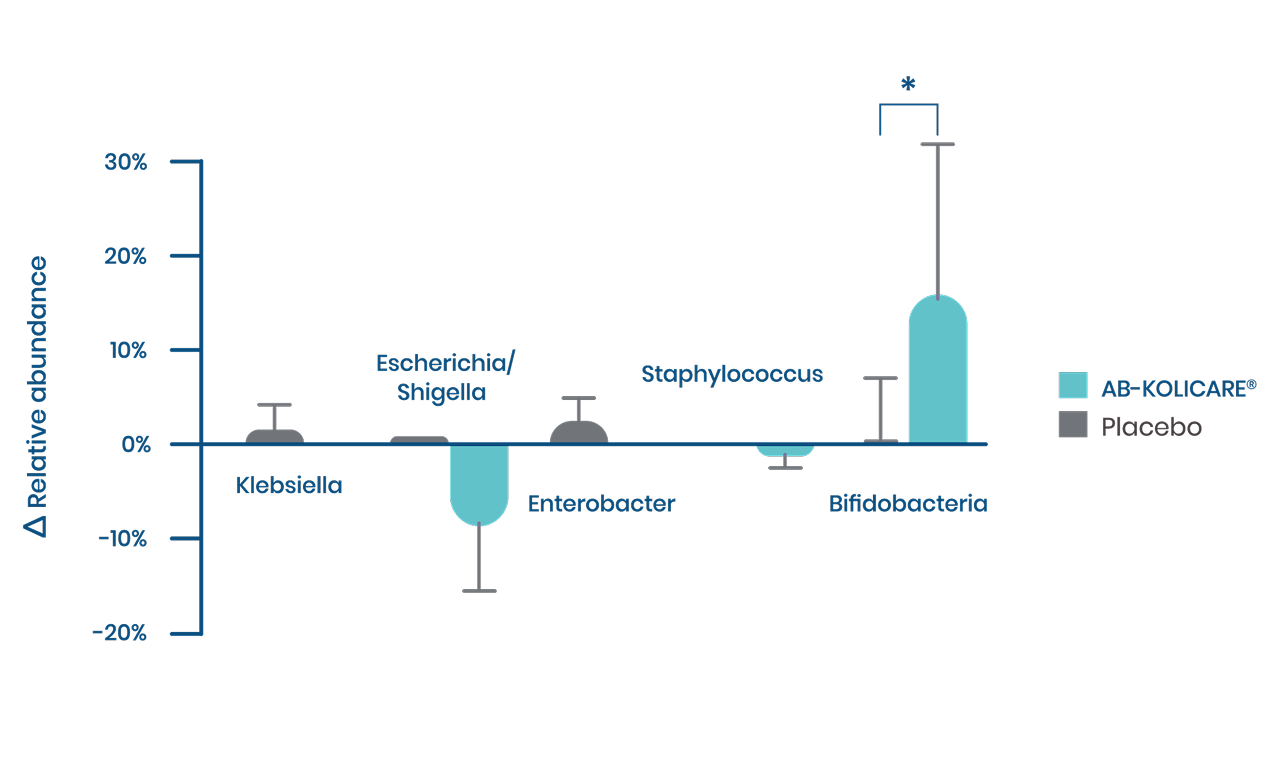
- Significant increase in gut microbiota diversity and increased abundance of bifidobacteria.
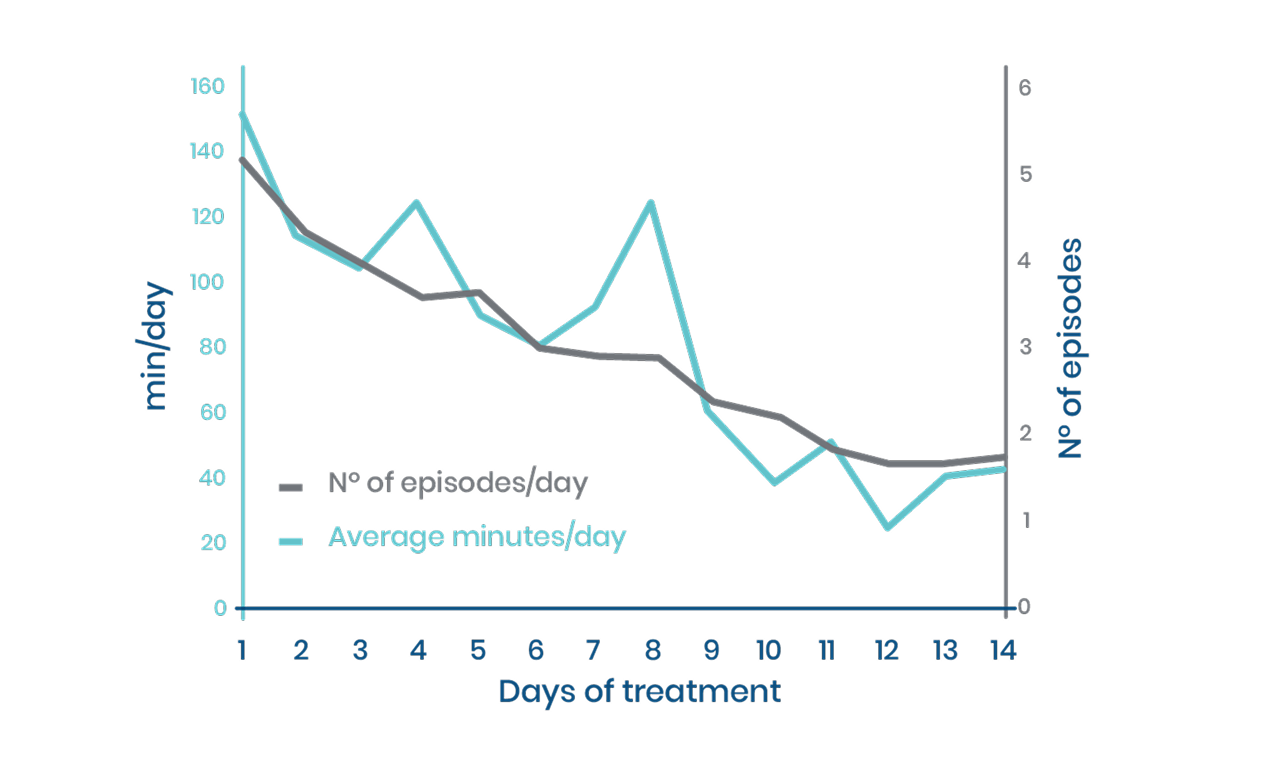
- Reduction of crying time and number of episodes.
Changes in gut bacteria abundance by AB-KOLICARE®
Reduction of crying time and number of episodes/day
Alcántara et al (2023)6
Design
In vitro trial
Methods
B. longum KABP™042 cultured in media with different carbon sources (glucose, breast milk, lacto-N-tetraose (LNT))
Key Takeaways
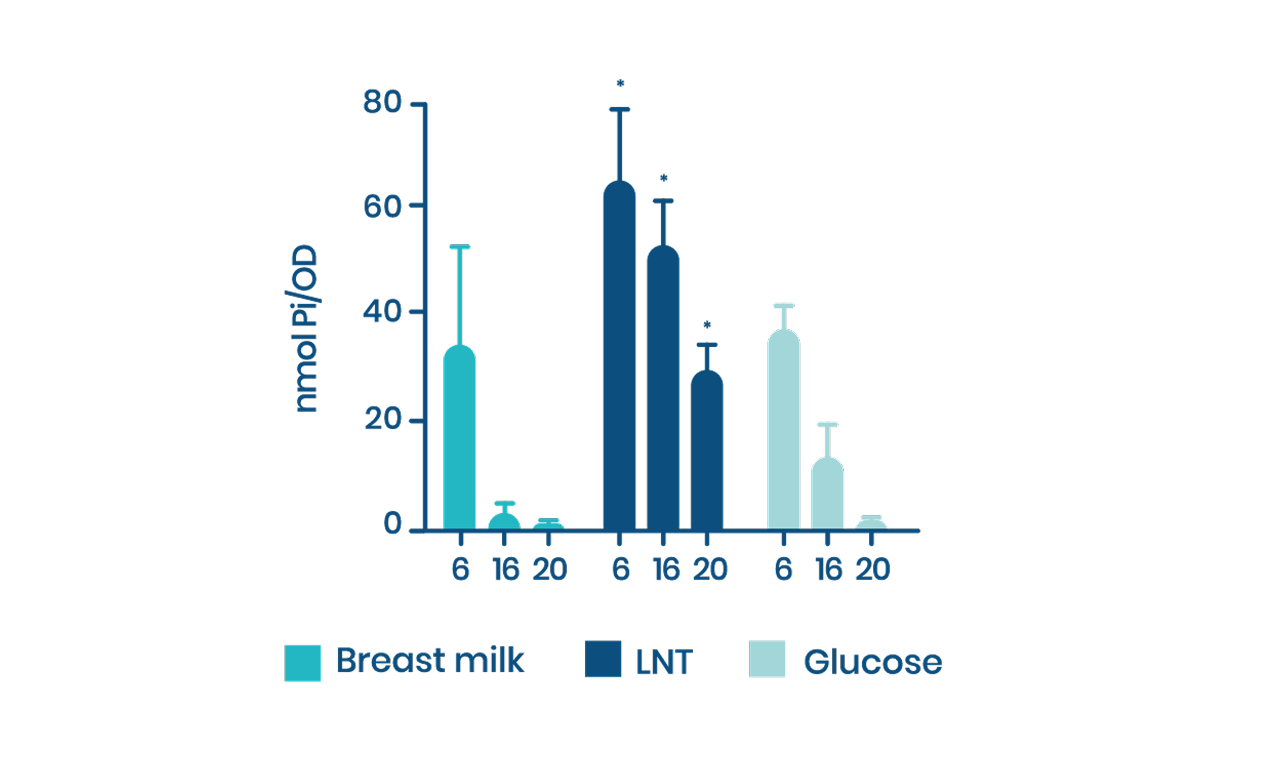
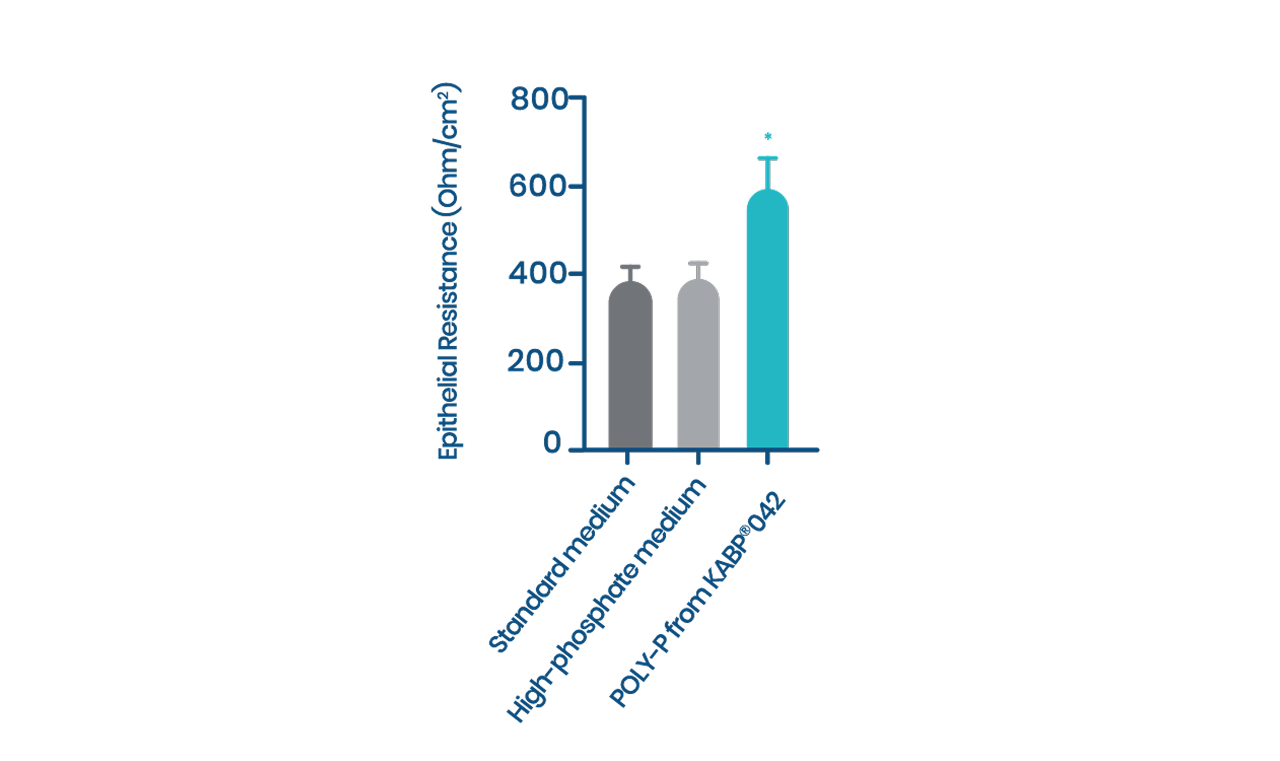
- Synthesis of high levels of poly-P, further increased when supplemented with breast milk and HMOs (LNT).
- Reduction of intestinal permeability and inflammation.
PolyP biosynthesis by B. longum KABP®042
Transepithelial electrical resistance (TEER) in intestinal cells
Dong et al (2022)7
Design
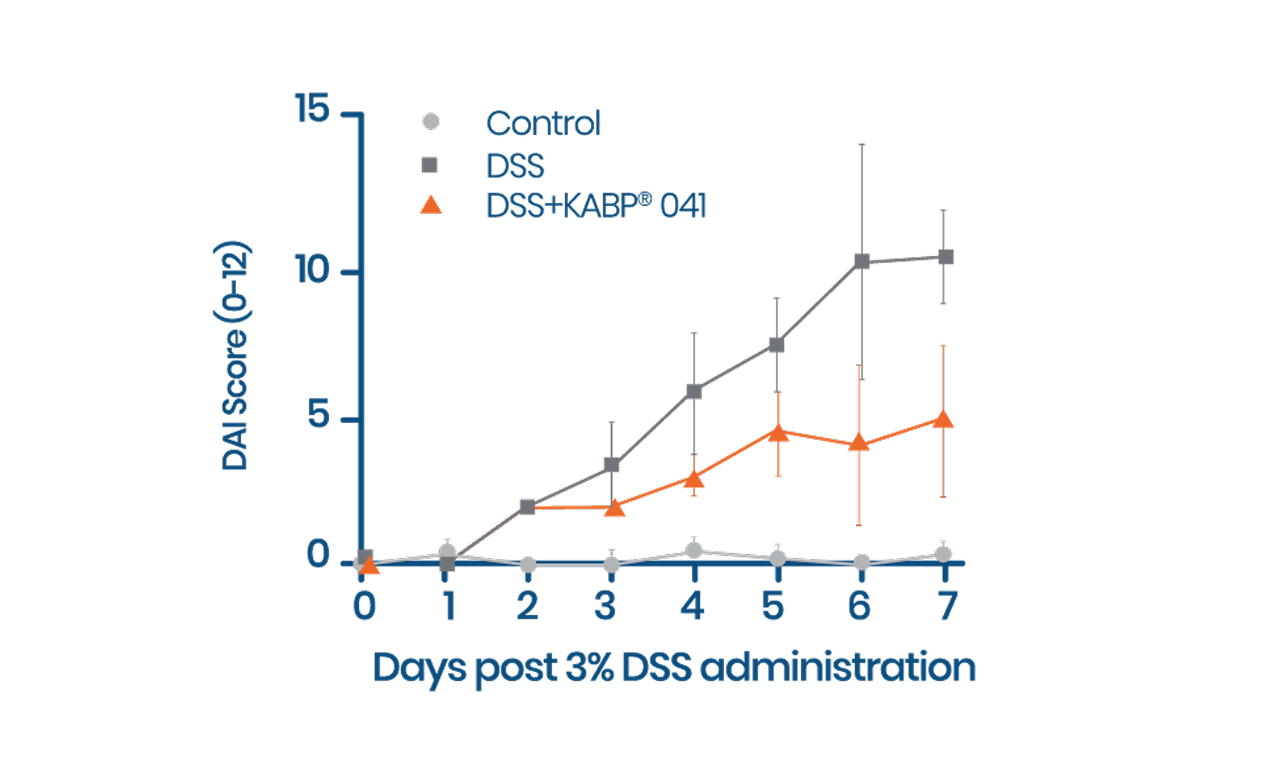
In vivo trial using a DSS-induced colitis mouse model
Methods
Mice divided into three groups: Control, DSS, and DSS + P. pentosaceus KABP™041 (5 x 10^8 CFU/day)
Key Takeaways
- Effective protection against colitis.
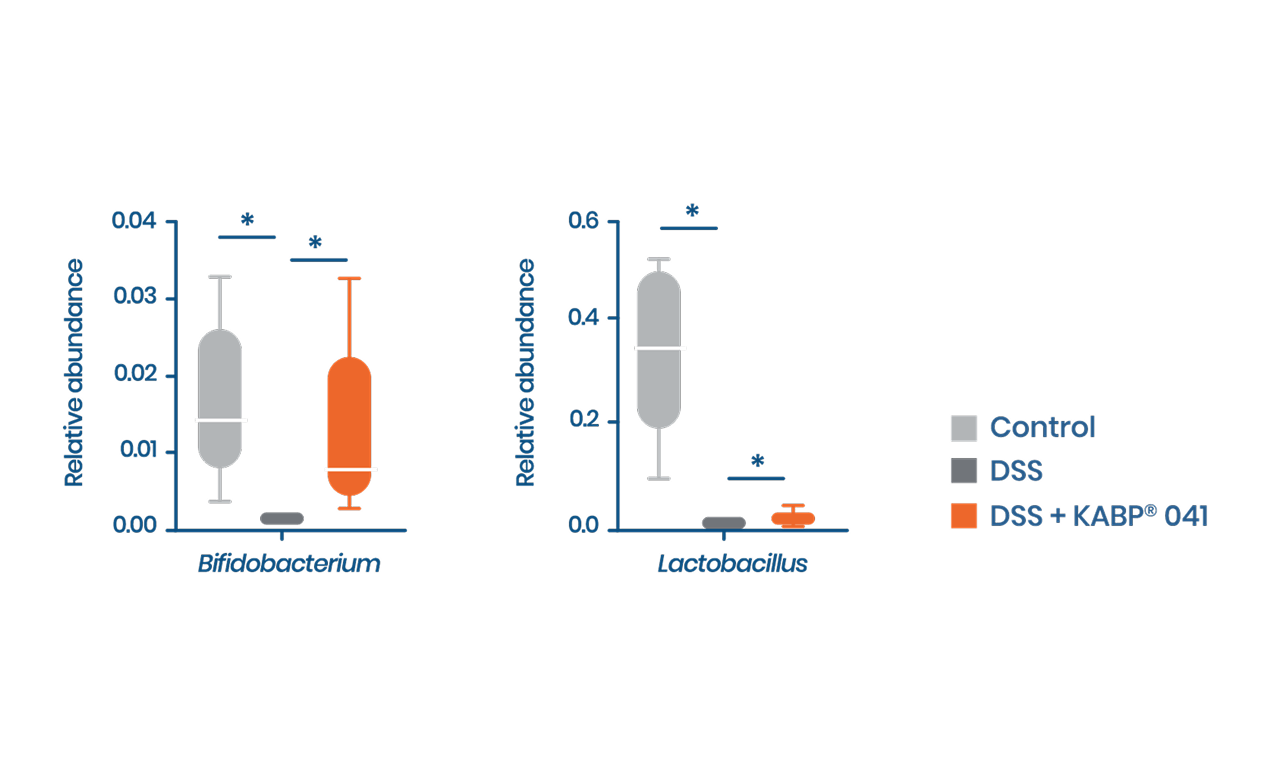
- Immune modulation and improved metabolic and microbial profiles.
- Enhanced barrier integrity (increased expression of tight junction proteins).
Disease activity index scores (colitis) at several time points.
Relative abundance of Bifidobacterium and Lactobacillus
References
- Moreno-Villares, J. M. et al. Comparative efficacy of probiotic mixture Bifidobacterium longum KABP042 plus Pediococcus pentosaceus KABP041 vs. Limosilactobacillus reuteri DSM17938 in the management of infant colic: a randomized clinical trial. Eur J Pediatr 183, 5371–5381 (2024).
- Chen, K. et al. Infantile Colic Treated With Bifidobacterium longum CECT7894 and Pediococcus pentosaceus CECT8330: A Randomized, Double-Blind, Placebo-Controlled Trial. Front Pediatr 9, 939 (2021).
- Astó, E. et al. Probiotic Properties of Bifidobacterium longum KABP042 and Pediococcus pentosaceus KABP041 Show Potential to Counteract Functional Gastrointestinal Disorders in an Observational Pilot Trial in Infants. Front Microbiol 12, (2022).
- Santas J, Fuentes MC, Tormo R, Guayta-Escolies R, Lazaro E, C. J. Pediococcus pentosaceus CECT 8330 and bifidobacterium longum CECT 7894 show a trend towards lowering infantile excessive crying syndrome in a pilot clinical trial. Int J Pharma Bio Sci 6, 458–466 (2015).
- Tintore M, C. J. Probiotic treatment with AB-KOLICARE causes changes in the microbiota which correlate with a reduction in crying time. Int J Pharma Bio Sci 8, 281–288 (2017).
- Alcántara, C. et al. Study of the biosynthesis and functionality of polyphosphate in Bifidobacterium longum KABP042. Scientific Reports 2023 13:1 13, 1–13 (2023).
- Dong, F. et al. Pediococcus pentosaceus CECT 8330 protects DSS-induced colitis and regulates the intestinal microbiota and immune responses in mice. J Transl Med 20, 1–16 (2022).